
Food Systems
The food supply chain is often the most complex and opaque part of an organization's footprint. We trace impacts from farm to fork — enabling smarter Scope 3 reporting and sourcing decisions.
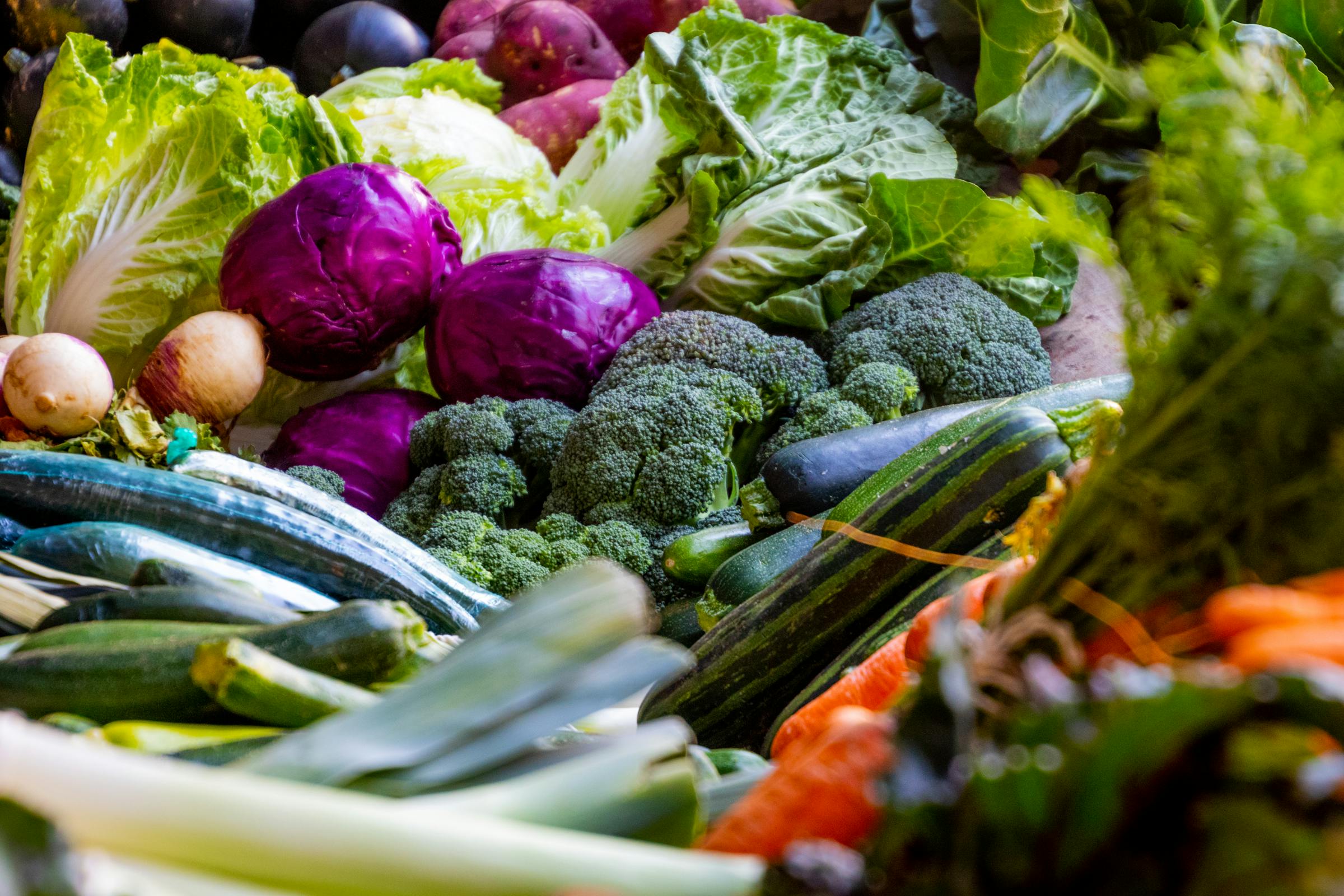
The most complex part of any footprint
From livestock methane and fertilizer nitrous oxide to processing energy and cold-chain logistics, impacts are embedded at every stage of the food value chain. For companies facing Scope 3 reporting requirements, the food supply chain is usually the hardest part of the inventory to get right.
We help organizations navigate this complexity with research-based analysis and strategic guidance — building Scope 3 inventories, evaluating carbon credit quality, and quantifying the lifecycle impact of specific products.
- Scope 3 emission accounting and reporting
- Food supply chain analysis
- Carbon insetting & offsetting strategy
- Life Cycle Assessment (LCA)
- Food system data analysis & visualization
- Voluntary carbon market guidance
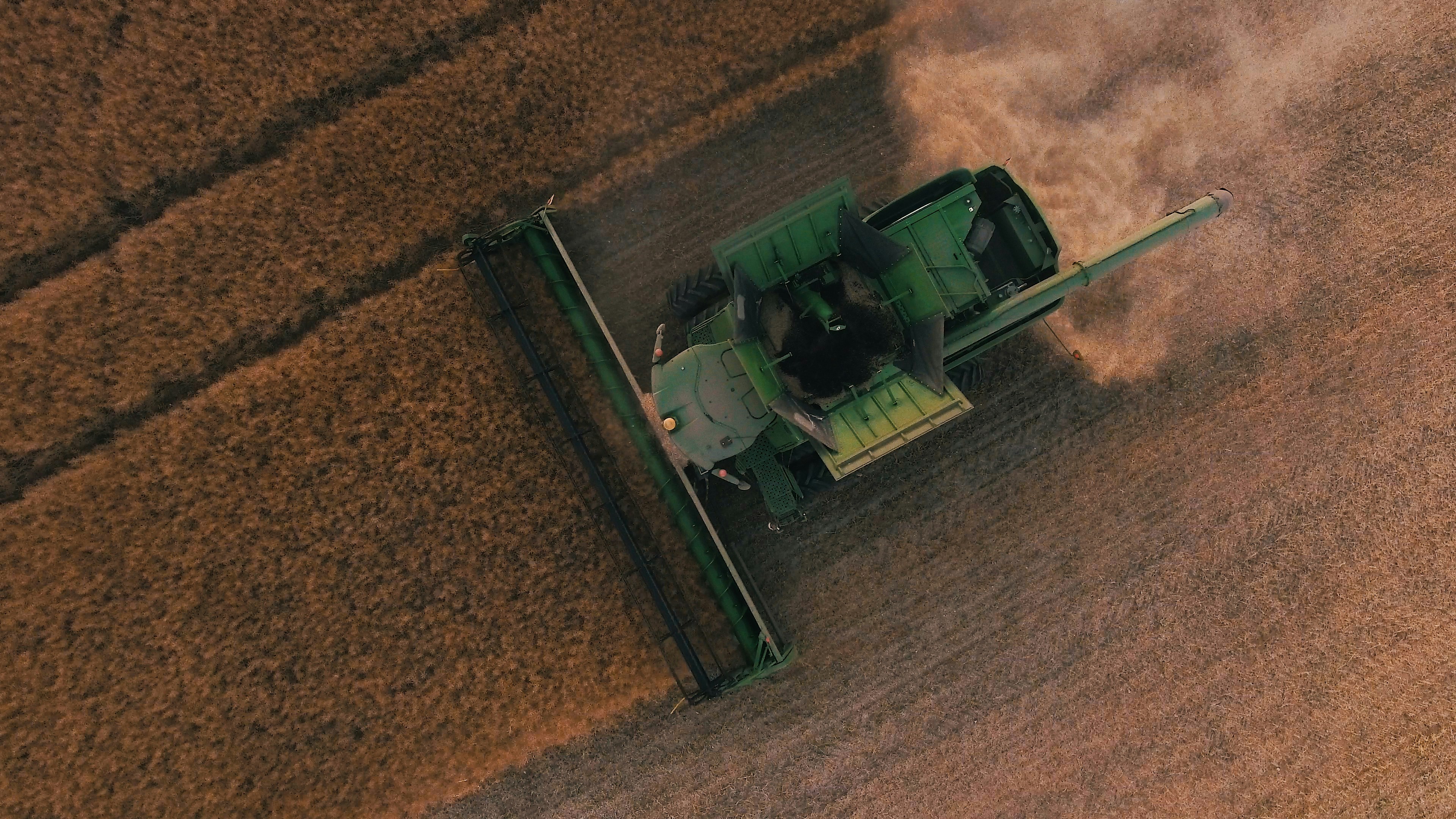
Beyond Carbon: Navigating the Future of Sustainability
Sustainability has outgrown carbon accounting. A look at how standards have evolved, why measurement is so much harder outside the power sector, and how Klimate Consulting works in the gaps.
Navigating the ESG Disclosure Landscape: Challenges and Promises
Explores the evolving world of ESG disclosure, from the rising importance of sustainability reporting to key regulatory developments in the SEC and EU.
Decarbonizing Agriculture Part 1: Understanding Emissions Sources
Agriculture contributes 11.5% to U.S. emissions, and our food system a third of global GHG emissions. Understanding the sources is the first step to reducing them.
Working on a food-system problem?
From Scope 3 inventories to LCA — let's talk about it.