

Agriculture
Soils are degrading and water is dwindling — yet agriculture must produce more than ever. We analyze how farms use land, water, and energy, and where the biggest gains hide. We believe agriculture is the next frontier — no sector has greater untapped potential for efficiency, resilience, and carbon impact.
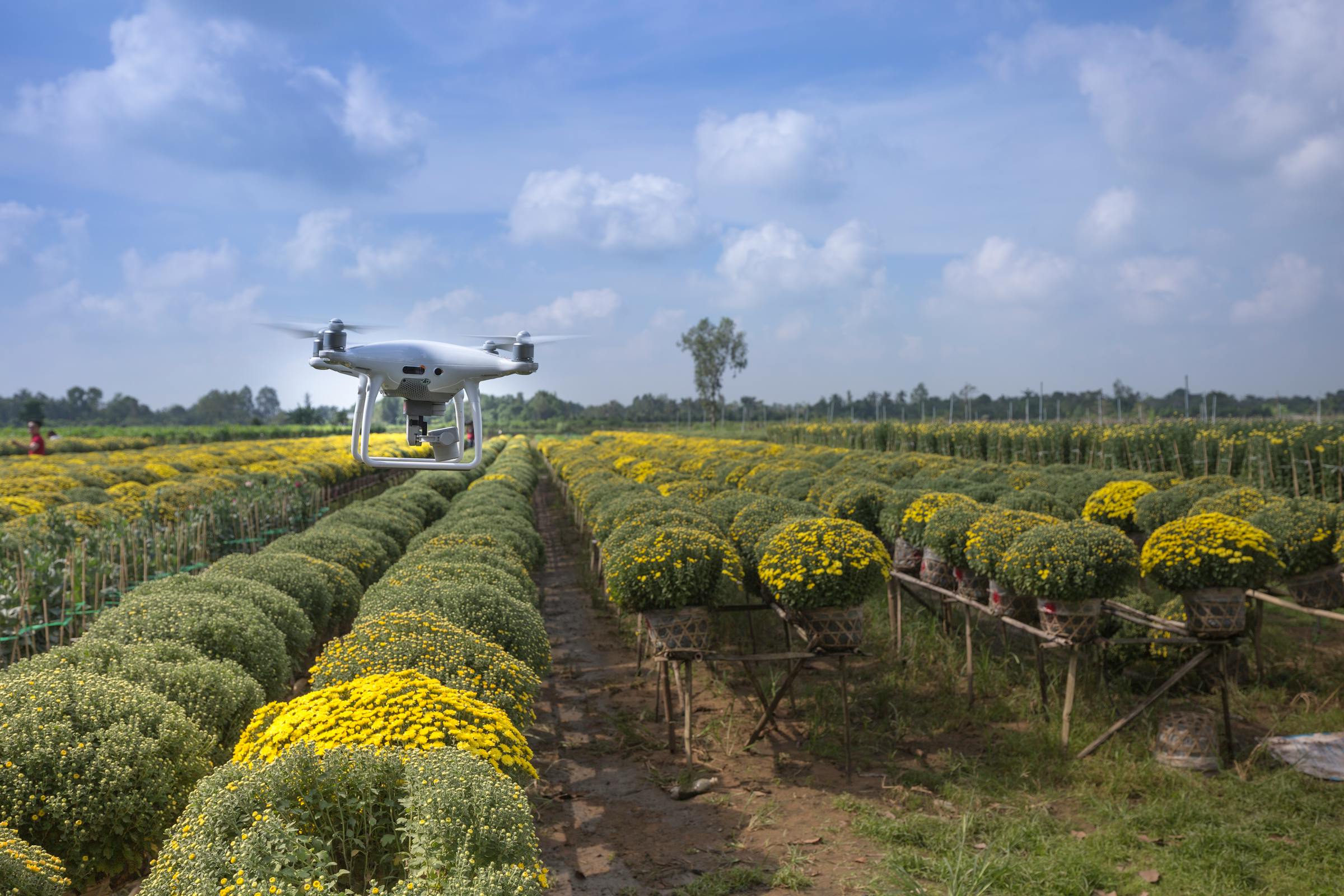
More output, fewer inputs
Agriculture accounts for roughly 11.5% of U.S. greenhouse gas emissions — and when you include the broader food system, nearly a third of the global total. But farmland is also uniquely positioned: with the right practices it can shift from a carbon source to the world's largest sink, while using less water and energy per unit of output.
We work with farming operations, agtech companies, and food companies to analyze production data, evaluate technologies, and build systems that improve soil health and long-term productivity.
- Farm production analytics & crop data analysis
- Agricultural census data insights
- Carbon sequestration research & soil carbon assessment
- Agricultural GHG emissions measurement & reduction
- Controlled Environment Agriculture (CEA) technology evaluation
- Regenerative agriculture advisory
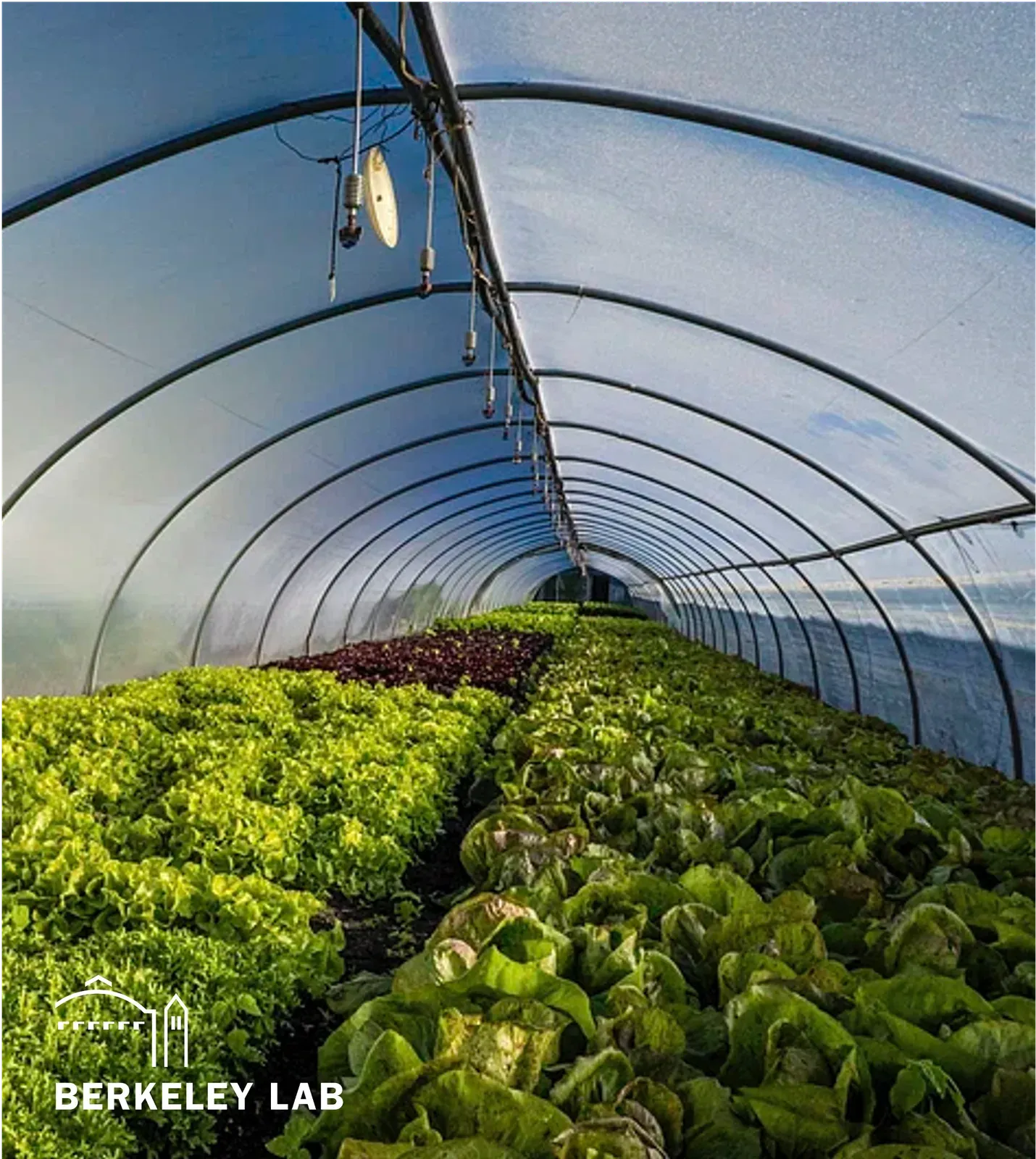
Decarbonizing Agriculture Part 1: Understanding Emissions Sources
Agriculture contributes 11.5% to U.S. emissions, and our food system a third of global GHG emissions. Understanding the sources is the first step to reducing them.
Decarbonizing Agriculture Part 2: How to Reduce Agricultural GHG Emissions
A review of strategies to reduce agricultural GHG emissions, focusing on methods to mitigate methane, nitrous oxide, and CO2.
California Converted Its Irrigation to Save Water. So Why Is Farm Energy Use Going Up?
Eight charts that explain the water-energy paradox of microirrigation — and what California growers can do about it.
Working on an agriculture problem?
From farm data to CEA technology — let's talk about it.