An inductive analysis of 689 episodes (4.6M words) from two leading agtech podcasts, 2016–2026. Seventeen themes emerge from the data: the conversation is about money and grower trust first, technology second.
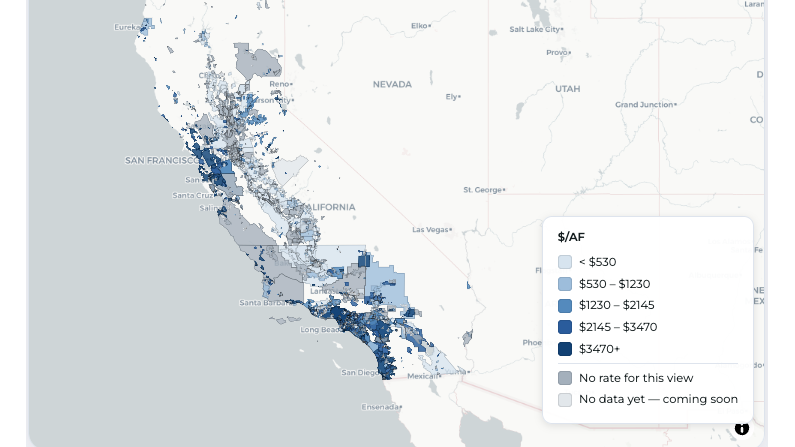
Why farms pay pennies and cities pay dollars in California, and what that does to the case for modernizing how the state manages its water.
An interactive look at the Great Atlantic Sargassum Belt: how it grew sevenfold, how anyone can now track it with free satellite data, and how it might be turned from hazard into resource.
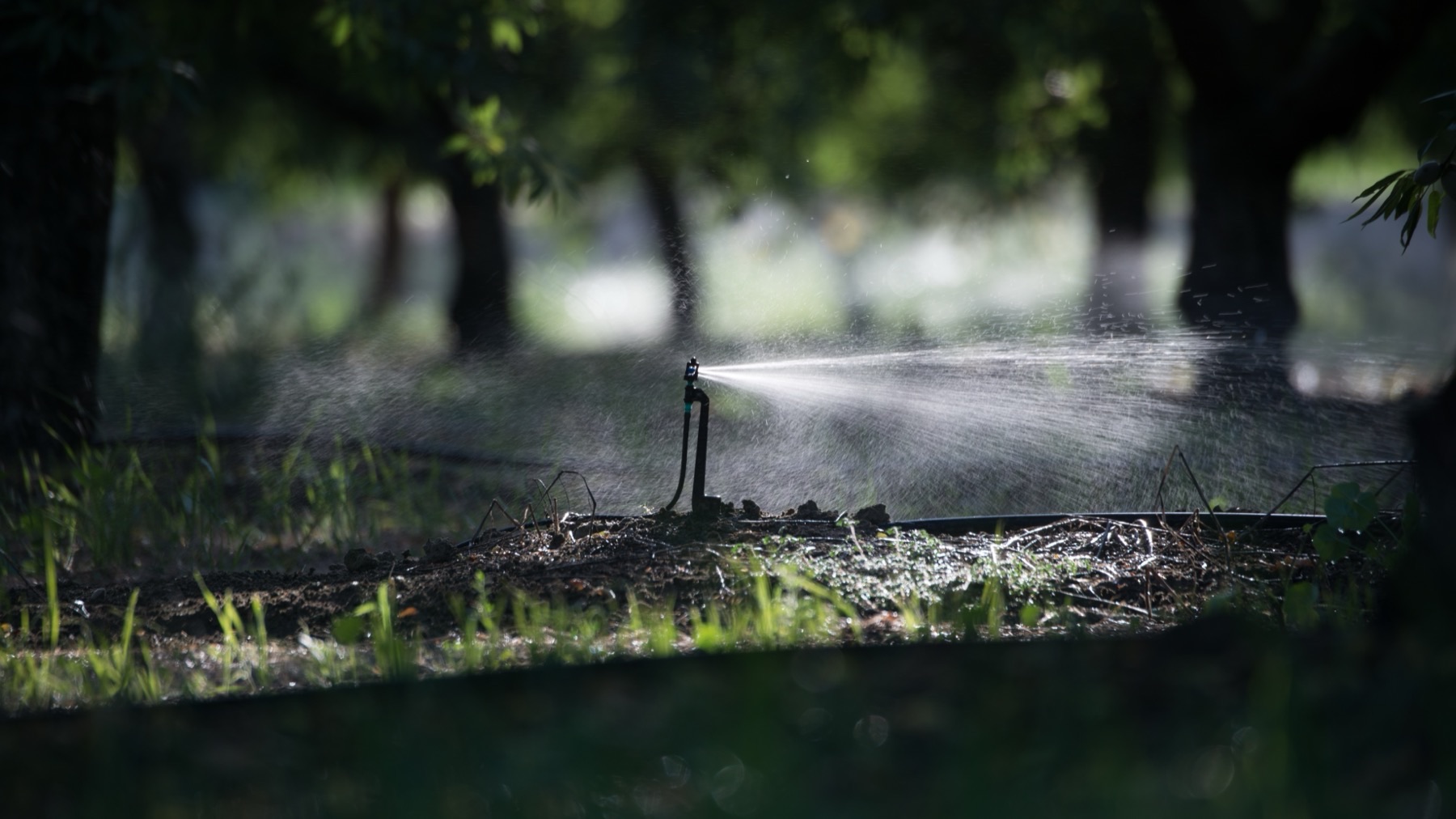
Eight charts that explain the water-energy paradox of microirrigation — and what California growers can do about it.
To modernize water management in California, accurate granular data is crucial. The current lack of comprehensive data presents a major challenge.
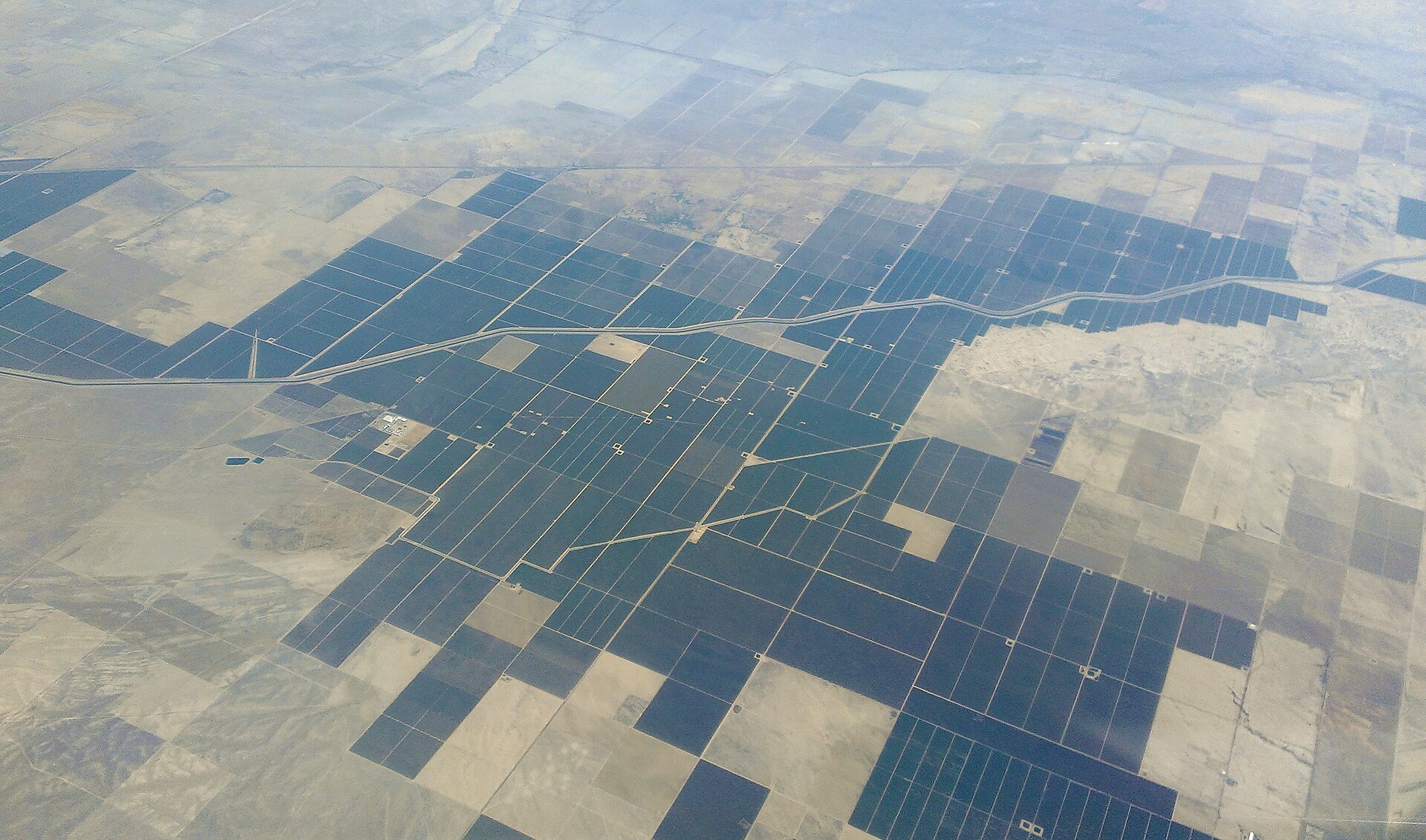
California is facing several water challenges — scarce supply, outdated systems, and a dire need for smart, data-driven management in an era of climate change.
A review of strategies to reduce agricultural GHG emissions, focusing on methods to mitigate methane, nitrous oxide, and CO2.
Agriculture contributes 11.5% to U.S. emissions, and our food system a third of global GHG emissions. Understanding the sources is the first step to reducing them.
Sustainability has outgrown carbon accounting. A look at how standards have evolved, why measurement is so much harder outside the power sector, and how Klimate Consulting works in the gaps.
Explores the evolving world of ESG disclosure, from the rising importance of sustainability reporting to key regulatory developments in the SEC and EU.
Occasional, citable research on water, energy, and agriculture. No noise.

![California's Water Dilemma Part 2: Water [Data] Scarcity](/images/insights/almond-microirrigation.jpg)